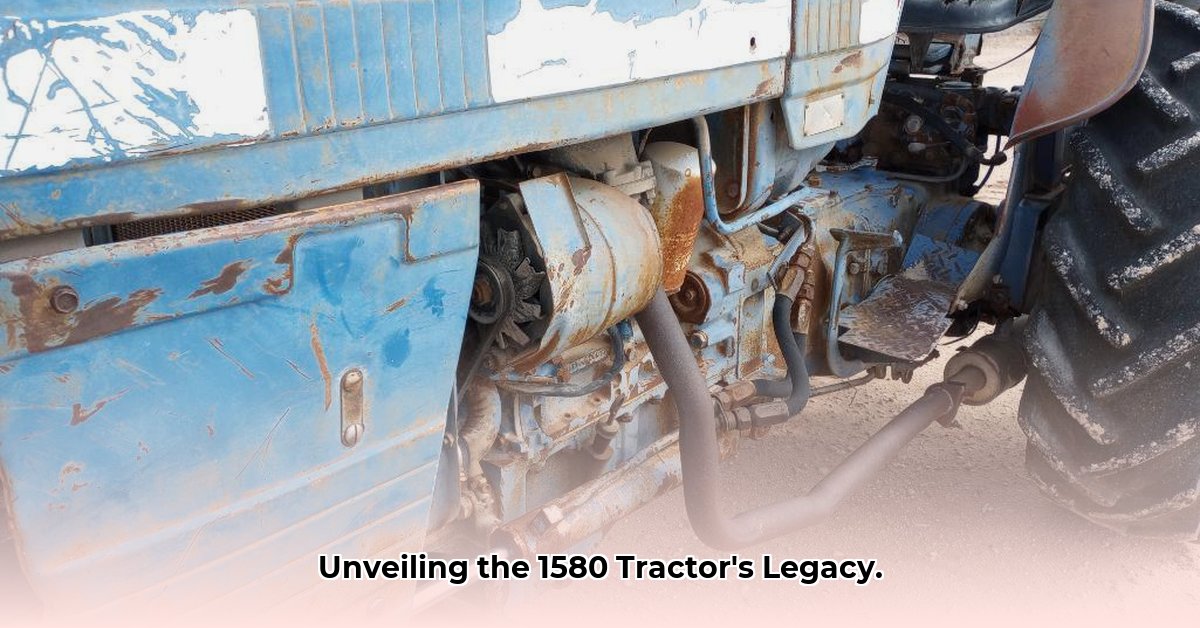
Long 1580 Tractor: A Legacy Forged in Fields and Factories
The rumble of a Long 1580 tractor—a name synonymous with American agricultural prowess—evokes images of sprawling fields and hardworking farmers. More than just a machine, the Long 1580 represents a pivotal chapter in agricultural history, a narrative woven with threads of innovation, economic shifts, and the ever-evolving pursuit of sustainable farming. Its story serves as a compelling case study illustrating the complex interplay between technological advancement, market forces, and environmental responsibility. This journey reveals not only the triumphs and failures of Long Manufacturing, but also offers valuable insights for modern agricultural practices. For small farms, choosing the right tractor size is crucial; see this guide.
A Post-War Powerhouse Navigating Economic Headwinds
The post-World War II era witnessed an agricultural revolution, with farmers embracing machinery to boost efficiency. The Long 1580, a robust and reliable workhorse, quickly gained popularity. Long Manufacturing, its creator, enjoyed considerable success. However, this prosperity proved short-lived. By the mid-1980s, the company faced bankruptcy. While precise reasons remain debated, contributing factors likely include intensified competition, evolving market demands, and potential internal challenges. The Long 1580's story underscores the vulnerability even successful businesses face in the face of economic shifts.
Farmtrac: A Global Reach, Persistent Challenges
The Escort Group's acquisition of Long Manufacturing and subsequent rebranding as Farmtrac marked a new chapter. This initiative aimed to revitalize the tractor's legacy and expand its global reach. While Farmtrac achieved international distribution, its North American operations ultimately ceased. The challenges faced by Farmtrac highlight the difficulties smaller companies encounter when competing against larger, more established players in a highly competitive market. Limited resources and the constant pressure from industry giants proved insurmountable obstacles.
Sustainability: A Historical and Contemporary Perspective
Assessing the Long 1580's sustainability through a modern lens reveals both its strengths and limitations. Compared to modern tractors, its fuel efficiency was likely lower, and its emissions higher. While its lifespan was respectable for its time, it falls short of today's standards. The tractor's manufacturing process also involved a global supply chain, rendering it vulnerable to disruptions in international trade or geopolitical instability. This analysis reveals the crucial need for considering both short-term gains and long-term environmental consequences in agricultural machinery production and operation.
Lessons from the Past, Shaping the Future of Sustainable Farming
The rise and fall of Long Manufacturing and the subsequent Farmtrac trajectory offer invaluable lessons. The experience underscores the importance of adaptability in response to shifting market conditions and the growing necessity of integrating sustainable practices into business models. While innovation remains crucial, sustainable operations and thoughtful consideration of their effects on the environment and communities are equally vital for long-term success. The Long 1580's legacy serves as a powerful reminder of the intricate relationship between invention, market dynamics, and the imperative to build a more sustainable agricultural future.
A Comparative Analysis: Long 1580 vs Modern Tractors
The following table provides a simplified comparison between the Long 1580 and a modern tractor. A more in-depth analysis would require more specific data on the Long 1580's specifications and a broader range of modern tractor models for comparison.
| Feature | Long 1580 Tractor (Estimate) | Modern Tractor (Example) |
|---|---|---|
| Horsepower | 80-100 hp | 150-300 hp+ |
| Fuel Efficiency | Relatively low | Significantly improved |
| Lifespan | Moderate (10-15 years, estimated) | Longer (20+ years, estimated), improved parts availability |
| Environmental Impact | Higher emissions | Lower emissions, stricter adherence to regulations |
| Technology | Primarily mechanical systems | Advanced electronics, GPS guidance, precision farming features |
This comparison illustrates the significant advancements in agricultural technology and sustainability achieved since the Long 1580's era. The story highlights the need for continuous improvement and adoption of advanced technologies to mitigate environmental impacts and enhance operational efficiency.
Assessing the Long-Term Environmental Impact of Farmtrac Tractors: A Multifaceted Approach
Key Takeaways:
- The legacy of diesel-powered tractors like the Farmtrac includes significant environmental impacts, including air and soil quality degradation.
- Precision agriculture offers potential for substantial environmental improvements through optimized resource utilization.
- Alternative fuels (e.g., electric, hydrogen, biofuels) present both opportunities and significant technological and infrastructural challenges.
- A comprehensive assessment of long-term environmental impact requires a holistic approach encompassing the entire lifecycle of the equipment and its usage.
- Farmer adoption of sustainable practices and supportive government policies are critical for long-term environmental gains in the agricultural sector.
How can we effectively navigate this complex interplay between agricultural productivity and environmental stewardship? A detailed analysis is needed focusing on several key aspects to fully understand the environmental footprint of Farmtrac tractors and similar machinery.
Beyond Emissions: A Broader Environmental Perspective
While emissions from diesel engines are a primary concern, the environmental impact extends beyond exhaust fumes. Soil compaction from heavy machinery reduces water infiltration and can damage soil structure. Erosion, often exacerbated by intensive farming practices facilitated by powerful tractors, further contributes to environmental degradation. Therefore, assessing environmental impact requires looking beyond immediate emissions and considering these broader consequences.
Precision Agriculture: Optimizing Resource Use
Precision agriculture technologies, including GPS-guided tractors and automated systems, offer the potential to significantly reduce the environmental impact. These technologies optimize resource use, minimizing waste and reducing the overall burden on the environment. However, the adoption of precision agriculture technologies depends upon factors such as farm size, operator expertise, and the specific characteristics of each field.
Exploring Alternative Fuels: The Promise and Challenges
Alternatives to diesel fuel, such as electric and hydrogen-powered tractors, offer the potential for zero-tailpipe emissions. However, significant challenges remain. Electric tractors currently face limitations in battery technology and charging infrastructure, while hydrogen-powered tractors present safety and infrastructure hurdles related to storage and distribution. Biofuels provide another potential pathway, but their overall environmental sustainability is contingent on several factors such as the sustainability of the feedstock and potential land-use conflicts.
A Holistic Lifecycle Assessment: Considering the Big Picture
A truly comprehensive assessment must factor in the entire lifecycle of a Farmtrac tractor, from manufacturing and operation to disposal. This holistic approach necessitates considering factors such as energy consumption during manufacturing, resource depletion during operation, and the final disposal and recycling of the machine. Moreover, successful mitigation of environmental impacts requires a collaborative effort among all stakeholders, including farmers, manufacturers, policymakers, and researchers.
The path towards a more environmentally sustainable agricultural future is a journey that demands continuous innovation, responsible practices, and a holistic approach that integrates technological advancements and effective policies. The Long 1580's story serves as a reminder of the critical need to navigate the complex interplay between economic realities and environmental responsibility.